
Unlocking the secrets of human development
RESEARCH HIGHLIGHT
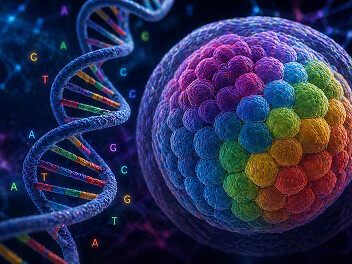
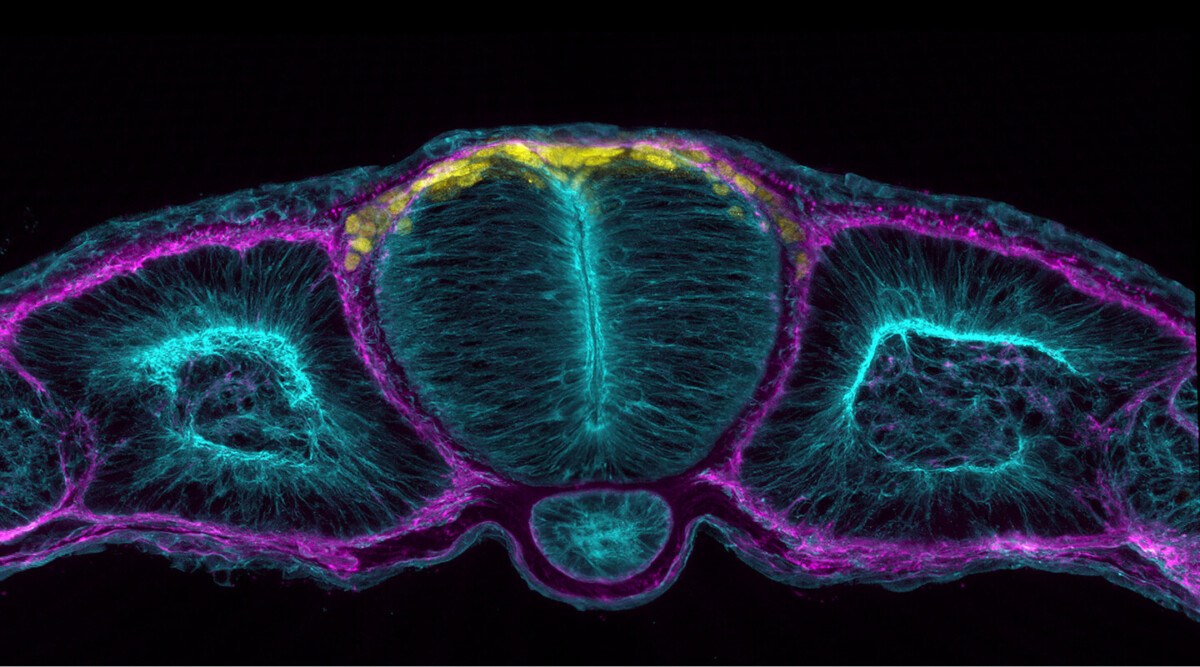
Unlocking the secrets of human development

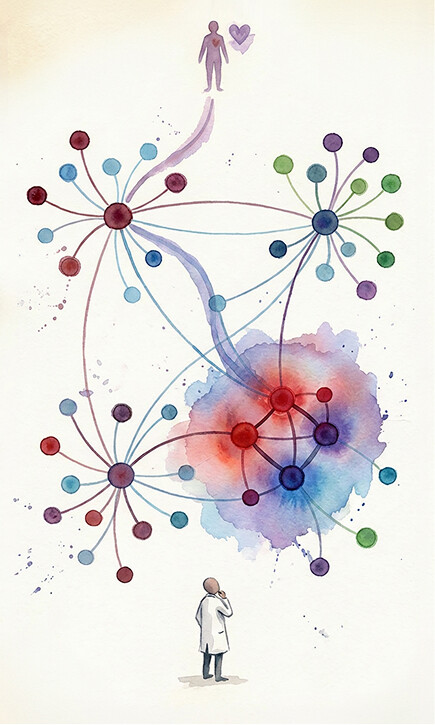
How early nerve cell choices shape the peripheral nervous system.

Read more
Powered by the tools we built
CORE FACILITY
Powered by the tools we built

VAAST, PHEVOR, RUFUS, and a pipeline trusted across the University of Utah.

Explore the Core
A team built for hard genomic problems
OUR PEOPLE
A team built for hard genomic problems

Computational biologists, clinicians, and software engineers solving disease together.

Meet the team

About UCGD

Where genomic discovery meets clinical reality.

Founded in 2014 at the University of Utah, UCGD unites computational genomics, software engineering, and translational medicine — under one roof.

6
Principal investigator laboratories

35+
Faculty, staff, postdocs, and students

2014
Founded as USTAR Center for Genetic Discovery

3
Flagship consortia with UCGD contributions

Two connected arms
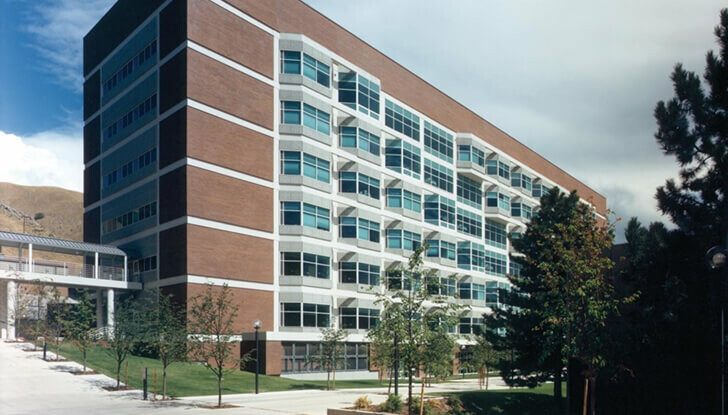
UCGD operates as an Academic Initiative — six PI laboratories advancing primary research — and as the UCGD Core, a fee-for-service facility (launched 2017) that makes our tools available to any investigator at the University of Utah.

Consortia & collaborations

UCGD investigators have contributed to several of the field’s flagship collaborative efforts — from the sequencing of the first human genome to today’s effort to map somatic mutations across human tissues.

Contributions to the field

Our investigators helped build the foundations of modern genomics — from the first sequencing of the human genome to the software running in clinical labs today.

Landmark ProjectHuman Genome Project

SoftwareBEDTools

Clinical SoftwareVAAST & PHEVOR
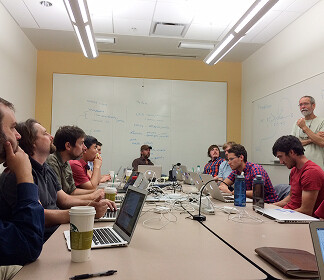
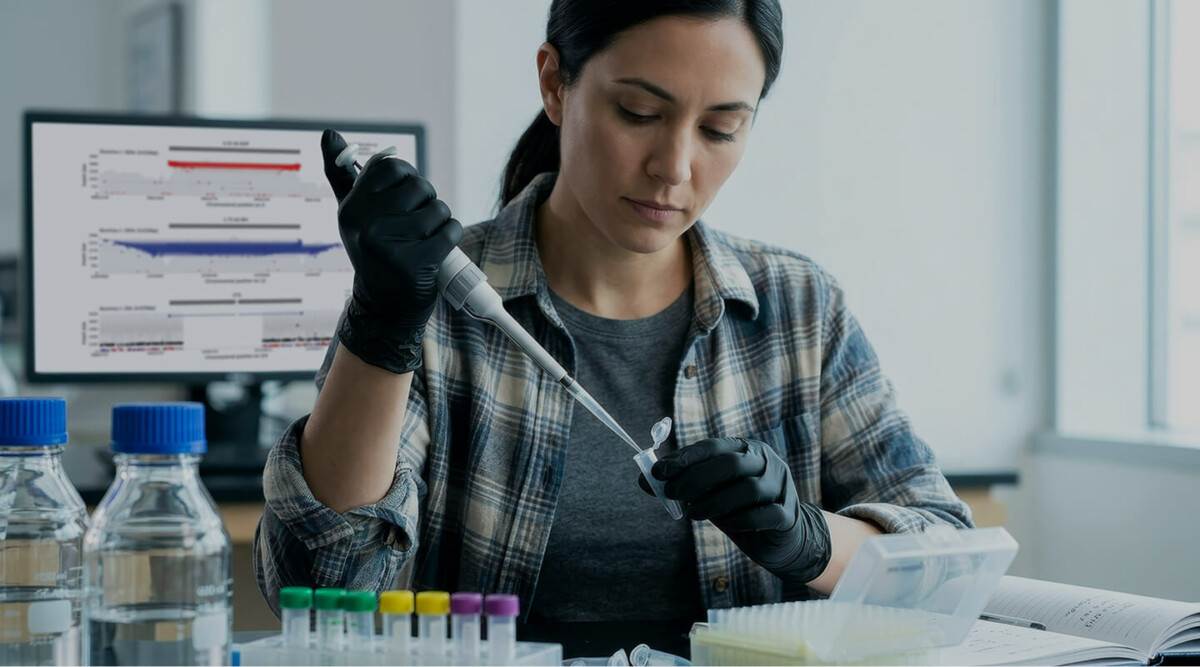
This is the UCGD lab.

Long hours. Careful hands. Six labs and the Core, working together.

In the Lab
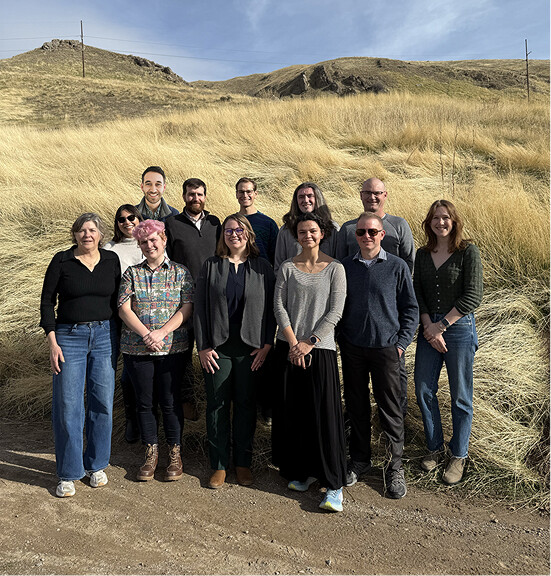
People + science

The faculty, staff, postdocs, and students who make UCGD run — across six PI laboratories and the UCGD Core.

Three paths. One destination.

Rare disease. Precision oncology. The forces that shape every genome — and the open-source tools that let the world study them.

Our Research
Current Directions

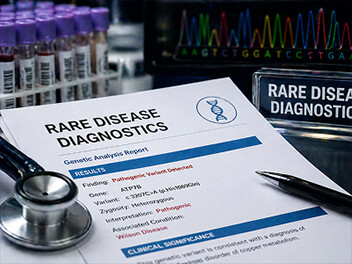
Rare Disease Diagnostics
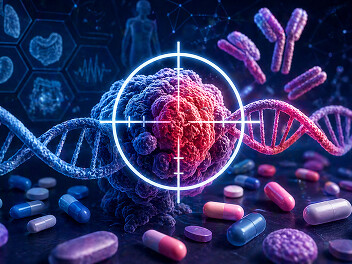
Rare Disease Diagnostics

AI-driven, phenotype-first diagnostic pipelines for patients with unexplained genetic disease, in partnership with clinical teams across the University of Utah and national networks.
Read more
Precision Oncology

Precision Oncology

Functional drug screening and AI/ML methods to extend precision cancer care — including to patients without recognizable, targetable genetic alterations.
About this project
Genome Variation & Mosaicism

Genome Variation & Mosaicism

From inherited disease to the mosaic mutations in a single tissue, UCGD investigators study how genomes change — across generations, across life, and across cells. The tools we build to see this variation are used by labs worldwide.
Example project

The work, right now.

Named initiatives carrying UCGD’s research into the clinic — and into
the world.

Projects
Selected initiatives
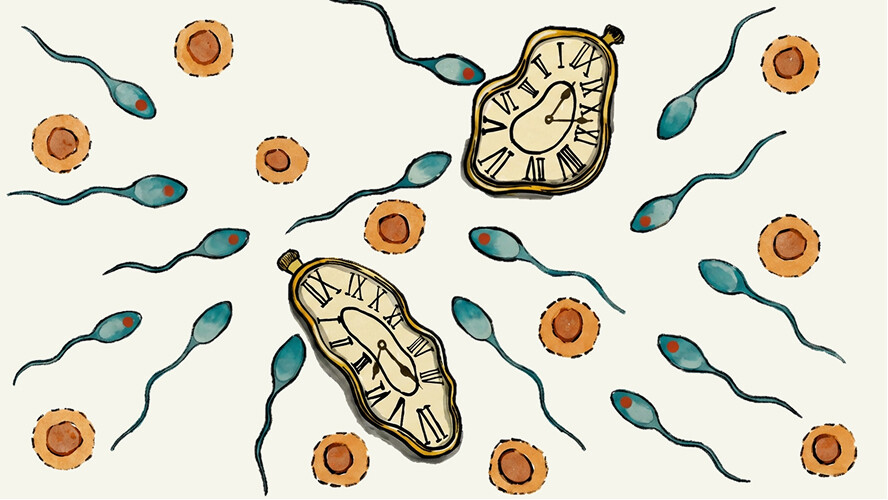
Understanding Mutations in Sperm
Featured project

Understanding Mutations in Sperm

Mutations accumulate in cells throughout life, and some pass to offspring through sperm. Our prior work showed that many de novo mutations causing neurological disease arise from clonal mosaicism in the father's germline. This project maps that mutational burden at bulk and single-cell scale.
Explore the research
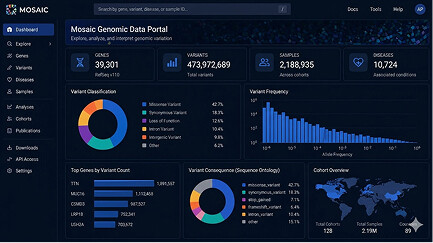
Mosaic Genomic Data Portal
Platform

Mosaic Genomic Data Portal

A collaborative genomic data management and sharing portal, developed with Frameshift Genomics. Replaces GnomEx as the UCGD Core's primary data interface.
About Mosaic
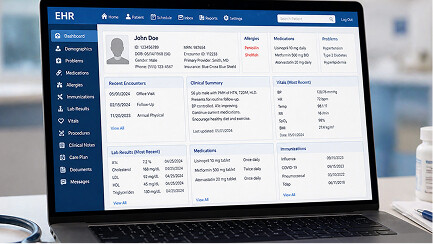
EHR-Enabled Disease Research
Clinical research

EHR-Enabled Disease Research

Integration of University of Utah Hospitals electronic health records into disease research — surfacing phenotypic signals at population scale, led by Dr. Yandell.
More
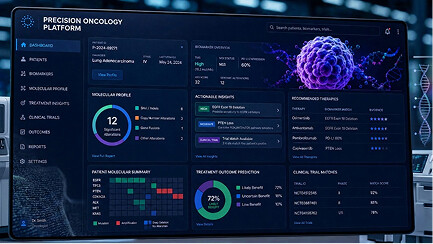
Precision Oncology Platform
Clinical platform

Precision Oncology Platform

Functional drug screening in use for advanced/metastatic breast cancer and extending into pediatric brain cancer. A joint School of Medicine + Huntsman Cancer Institute initiative.
Dig Deeper
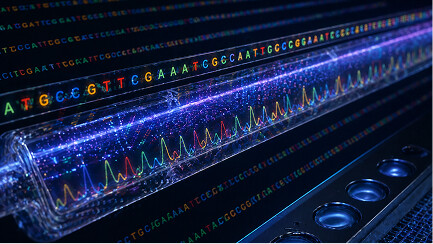
Long-Read Sequencing
Technology

Long-Read Sequencing

Technology integration and application across UCGD, enabling the resolution of complex and segmentally duplicated regions inaccessible to short-read sequencing.
About the project

These are five of our active projects. The full list includes Calypso, SEMIColon, Utah Population DB integration, and more.

Software

Tools built here, used everywhere.

Community data standards. Variant callers running on millions of genomes. The software of modern genomics, authored at UCGD.

30+
Open-source tools published and maintained

30,000+
Citations across UCGD software in the literature

BEDTools
Bioinformatics · 2010

BEDTools

The ubiquitous toolkit for genome arithmetic — intersecting, merging, and comparing genomic intervals. Authored by Aaron Quinlan.
View tool
VAAST & PHEVOR
Nat Genet · 2011

VAAST & PHEVOR

Probabilistic disease-gene finder combining allele frequency, amino- acid effects, and phenotype prioritization. Authored by Mark Yandell.
View tool
MAKER
Genome Res · 2008

MAKER

The reference genome annotation pipeline — used by organismal genome projects worldwide. Authored by Mark Yandell.
View tool
Samplot
Bioinformatics · 2021

Samplot

Structural-variant visualization from BAM/CRAM files — a standard for clinical SV review. Authored by the Quinlan Lab.
View tool
Mosaic
UCGD · Platform

Mosaic

Collaborative genomic data management and sharing portal, developed with Frameshift Genomics. The UCGD Core's primary data interface.
View tool
Taxonomer
Genome Biol · 2016

Taxonomer

Universal pathogen detection and host mRNA expression profiling — now powering commercial clinical diagnostics.
View tool

The software you can actually use.

Every tool UCGD ships is free, peer-reviewed, and production-tested. Our software has been cited in more than 14,000 publications and is deployed in clinical and research labs in dozens of countries.

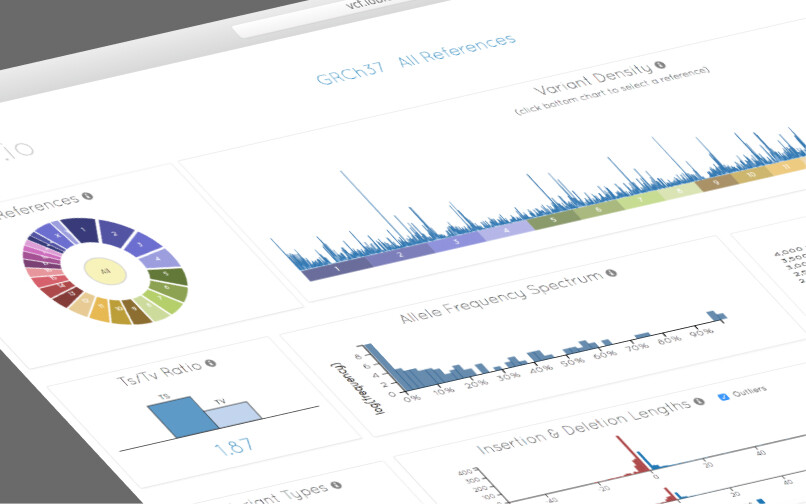
Shown: an example of Samplot rendering a structural variant from a trio — the tool our clinical reviewers use daily during case curation.

Our translational model

From discovery to impact, in five stages.

A defining feature of UCGD is how projects carry across the full arc —
basic research, computational tools, bioinformatic services, clinical
deployment, and commercial impact — under a single roof.
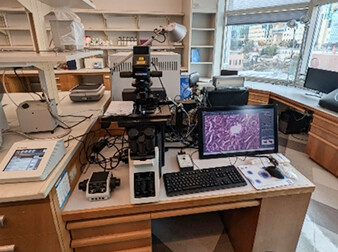
Genomic Discovery
Stage 01

Genomic Discovery

Research in human genetics, mosaicism, oncology, and evolutionary biology — the questions that drive everything downstream.
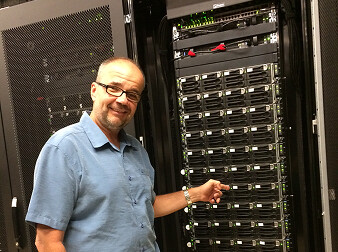
Computational Tools
Stage 02

Computational Tools

Algorithms and open-source software — BEDTools, VAAST, MAKER, Samplot — authored at UCGD, running worldwide.
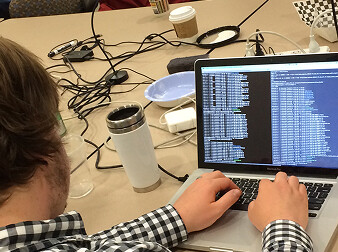
Analysis Services
Stage 03

Analysis Services

UCGD Core — fee-for-service bioinformatics for investigators across the University of Utah and beyond.
Clinical Implementation
Stage 04

Clinical Implementation

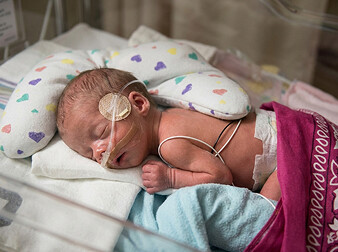
Utah NeoSeq, precision oncology, and rare disease diagnostics — the pipeline delivering answers to patients and families.

01 / 04

Stages 02–04 happen at the UCGD Core Facility — the bioinformatics and data infrastructure serving the entire University of Utah.

The people behind the science.

Six laboratories. Authors of the tools modern genomics runs on. Leaders in the field’s most ambitious collaborative projects.

Investigators
Six principal investigators + Core Director
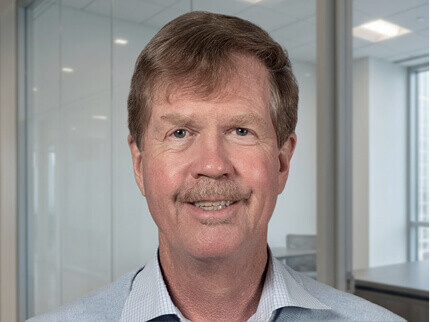
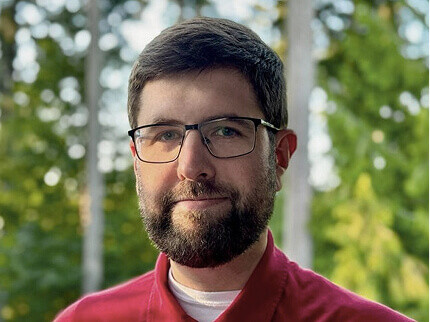
Mark Yandell, Ph.D.

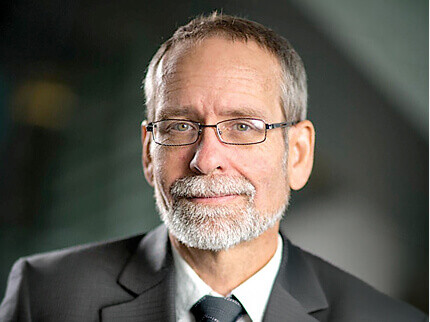
Mark Yandell, Ph.D.

PROFESSOR & Co-Director OF UCGD
Yandell Lab website
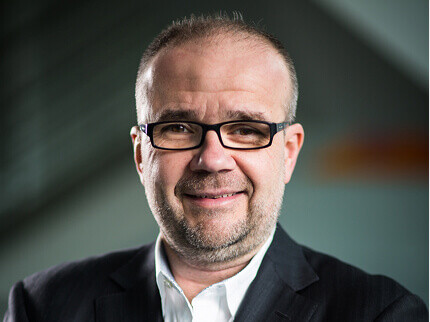
Gabor Marth, D.Sc.

Gabor Marth, D.Sc.

Professor & Director OF UCGD
Marth Lab website
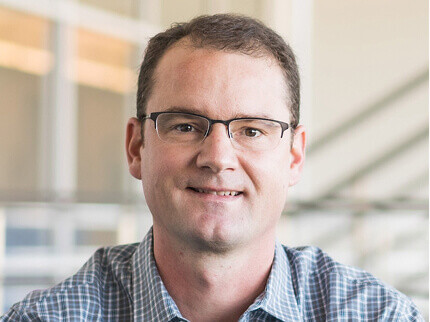
Aaron Quinlan, Ph.D.

Aaron Quinlan, Ph.D.

PROFESSOR & Associate Director OF UCGD
Quinlan Lab website
Lynn B. Jorde, Ph.D.

Lynn B. Jorde, Ph.D.

Professor · Utah Genome Project
Jorde Lab website
Mitchell Vollger, Ph.D.

Mitchell Vollger, Ph.D.

Assistant Professor
Vollger Lab website
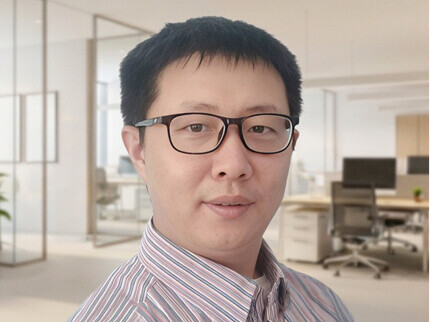
Xiaoxu Yang, Ph.D.

Xiaoxu Yang, Ph.D.

Assistant Professor
Yang Lab website

What's new.

News & Updates
From the UCGD blog
April 14, 2026 Research

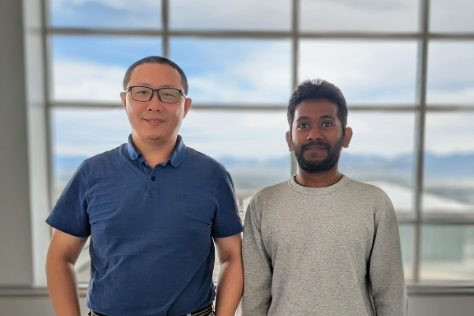
Yang Lab and collaborators discovered early fate determinations of neural crest-derived ganglia

A groundbreaking new study led by the Yang lab and Dr. Joseph Gleeson’s Group at the University of California, San Diego, has...

Read More
August 28, 2025 Uncategorized

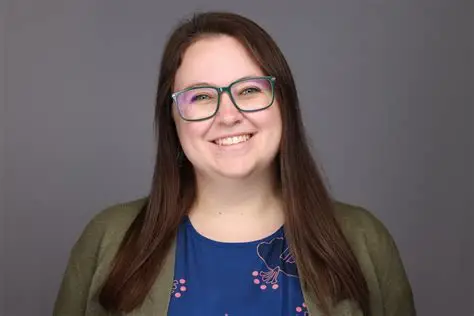
Welcome Alexis Garretson, a new PostDoc in the Quinlan Lab!

We are thrilled to announce that Alexis joined the Quinlan Lab in September 2025. Her research focuses on leveraging genetic diversity and...

Read More
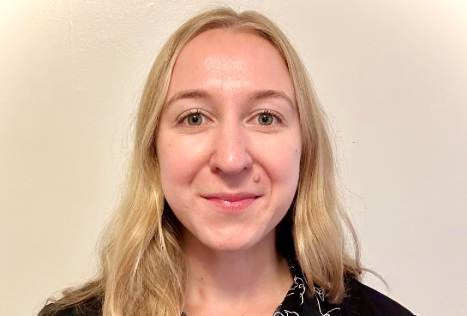
August 7, 2025 Uncategorized

Christina Akirtava has joined the Marth Lab as a postdoctoral researcher!

We are thrilled to announce that Christina Akirtava has joined the Marth Lab as a postdoctoral researcher! Her expertise will undoubtedly enhance...

Read More

News from the six labs, staff announcements, and highlights from the Core Facility.

SAY HELLO

Talk with us

Questions about a role, a graduate program rotation, or a partnership idea — we'd rather hear from you than miss you.